Short answer: “Caterpillar treats” has two real meanings. Around the world, it refers to edible caterpillars eaten as food — a traditional, protein-rich delicacy in parts of Africa and beyond, from mopane worms in southern Africa to Angola’s fried catatos and the Congo’s mbinzo. In family kitchens, it also means caterpillar-shaped snacks made for kids — cracker, celery and toast “caterpillars” built from everyday ingredients. This explainer covers both: what they are, how each works, the benefits, and the best alternatives.
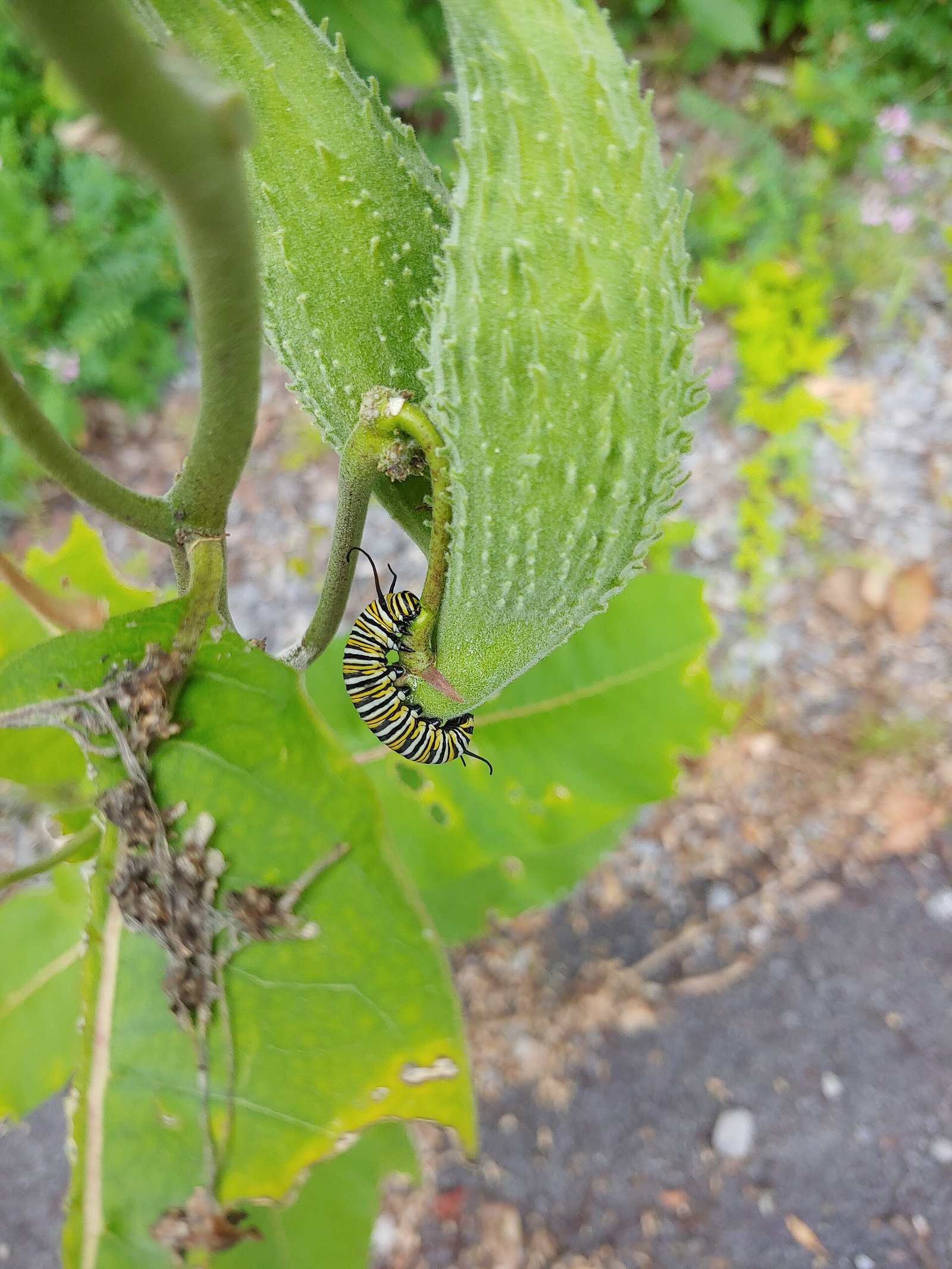
Few search terms hide two completely different worlds. Type “caterpillar treats” and you will find both market stalls selling fried caterpillars by the kilo and parents arranging cucumber slices into a smiling bug on toast. Both are real, both are called caterpillar treats, and they could hardly be more different. Here is the complete explanation of each.
Meaning One: Edible Caterpillars as Traditional Food
In many food cultures, caterpillars are not a novelty — they are a valued, seasonal food. In the Democratic Republic of Congo, traders fry caterpillars spiced with chilli over charcoal in markets like Kinshasa’s Marché Liberté. The local favourite mbinzo — caterpillars of an emperor moth species — is considered an expensive delicacy, while mpose (palm weevil larvae) is more everyday fare, eaten with rice or fufu. In Angola’s Uíge Province, catatos — caterpillars fried with garlic, often served over rice — is a regional speciality. And across southern Africa, the mopane worm (Gonimbrasia belina) is one of the most widely consumed caterpillars of all, with an estimated 9.5 billion harvested every year.
Why do people eat them? Because they work nutritionally. Edible caterpillars are prized for their high protein and vitamin content — locals credit them with strengthening muscles and eyes — and they are a sustainable, organic protein source in regions where livestock is expensive. Villagers harvest them fresh from trees and tree trunks in forested areas, clean them (washing, removing the digestive tract, singeing off any stinging hairs), and then fry, stew or sun-dry them for storage and trade.
How Edible Caterpillar Treats Work: Step by Step
- Harvest. Caterpillars are gathered seasonally from host trees — often by children sent to collect them, or from felled and split trees in the case of wood-boring species.
- Clean. They are washed thoroughly; the digestive tract may be squeezed or removed, and urticating (stinging) hairs are singed off where present.
- Prepare. Depending on the tradition: fried with garlic (catatos), fried with chilli as a crunchy market snack (mbinzo), slow-stewed with onions, tomatoes, palm oil and leafy greens, or sun-dried for keeping.
- Serve. Typically over rice or alongside staples like fufu — or eaten straight as a savoury snack.
Meaning Two: Caterpillar-Shaped Snacks for Kids
The other “caterpillar treats” are snacks shaped like caterpillars — a party and lunchbox staple inspired by storybook bugs. The classic version, such as the RITZ Caterpillar recipe, lines up five crackers spread alternately with peanut butter and grape jelly, then adds string-licorice legs and small round candies for eyes (180 calories per serving). Healthier versions build the body from celery sticks filled with peanut butter or cream cheese, dotted with raisins for segments; toast versions arrange cucumber slices on a cream-cheese or hummus base with a cherry-tomato head, olive eyes and bell-pepper antennae.
How to Make Kids’ Caterpillar Treats: Step by Step
- Choose your base. Crackers for a sweet PB&J version, celery for crunch, or whole-grain toast for a sturdier party snack.
- Add the “glue”. Spread peanut butter, cream cheese or hummus — it holds segments together and adds protein.
- Build the body. Line up crackers, celery pieces or cucumber slices in a gentle curve, overlapping slightly.
- Decorate the face. A cherry tomato or round cracker becomes the head; candy, olive or raisin dots make the eyes; licorice strings, carrot strips or pepper slivers become legs and antennae.
- Serve immediately. Veggie versions are best eaten fresh — after about two hours in the fridge, celery loses its crunch.
Main Benefits of Caterpillar Treats
- Serious nutrition (edible kind). Real caterpillars deliver high protein and vitamins, which is why they are a staple and even a priced delicacy in the regions that eat them.
- Sustainability (edible kind). Insects are an organic, low-input protein source compared with conventional livestock, and commercial raising is growing.
- Cultural heritage (edible kind). Dishes like catatos anchor regional identity and appear at celebrations and harvest festivals.
- Kids actually eat them (snack kind). Turning vegetables and whole grains into a character makes healthy food fun — children will happily assemble and eat their own caterpillar.
- No cooking, no fuss (snack kind). Most versions take under ten minutes with ingredients already in the kitchen.
- Party-friendly (both kinds). Fried caterpillars are a beloved market snack; shaped snacks are a birthday-table centrepiece.
Caterpillar Treats vs Alternatives: Comparison Table
| Feature | Caterpillar Treats | Crickets | Mealworms | Ants on a Log |
|---|---|---|---|---|
| What it is | Edible caterpillars / caterpillar-shaped kids’ snacks | Edible roasted crickets & cricket flour | Edible larvae, roasted or ground | Celery + peanut butter + raisins |
| Protein | High (edible kind) | High | High | Moderate (from nut butter) |
| Traditional use | Africa: mopane worms, catatos, mbinzo | Mexico, Thailand & more | Global, incl. pet & human food | Classic US kids’ snack |
| Flavour/format | Earthy, nutty; fried, stewed or dried | Nutty, crunchy; whole or flour | Mild, nutty; whole or flour | Fresh, sweet-salty crunch |
| Best for | Heritage dishes & fun kids’ snacks | Protein bars & baking | Versatile protein ingredient | Quick healthy snacking |
If the edible-insect world interests you beyond caterpillars, crickets and mealworms are the easiest entry points because they are widely sold as flours and snacks in Western shops. If you meant the children’s party version, “ants on a log” is the natural sibling snack. For more food-and-fortune reading, browse our entrepreneur net worth stories and influencer fortune breakdowns here on CelebWealthHub.
Who Should Try Caterpillar Treats?
Adventurous eaters and sustainability-minded cooks should try the edible kind — ideally in a region or restaurant where the dish is traditional, prepared by people who know the species and the cleaning process. Never eat wild caterpillars you have identified yourself: some species are toxic or carry stinging hairs, and correct identification matters. Parents, teachers and party hosts should absolutely try the shaped-snack kind — they are safe, cheap and reliably delight children while smuggling in vegetables and protein.
Caterpillar Treats Around the World
The edible tradition is wider than any single dish. In southern Africa, the mopane caterpillar (Gonimbrasia belina) anchors caterpillar cookery: seasonally gathered, sun-dried and traditionally stewed with onions, tomatoes, palm oil and leafy greens such as pumpkin leaves, sometimes with smoked fish or groundnuts. The result is rich, earthy and slightly nutty, with a dense texture more like a lentil or mushroom stew than a broth. In the Democratic Republic of Congo, cooks also prepare igyô (the local name for Imbrasia oyemensis), while dried omukula is the traditional form in parts of Uganda.
Caterpillar dishes appear in three distinct settings. In households, they are a practical protein source during lean agricultural months, especially where access to livestock or legumes is limited. At cultural celebrations — weddings, naming ceremonies and harvest festivals among Tiv communities in Nigeria, Luba communities in the DRC and Shona communities in Zimbabwe — they are served as heritage food. And increasingly, African diaspora chefs and sustainability-focused restaurants put them on urban menus, not as exotic novelties but as heritage-aligned nutrition. That third setting is why the term keeps travelling: chefs who grew up eating mopane worms or catatos now cook for diners who have never seen an edible insect on a plate, and the dishes hold their own on flavour alone.
Frequently Asked Questions
What are caterpillar treats?
The term covers two things: edible caterpillars eaten as a traditional, protein-rich food in countries such as DR Congo, Angola and across southern Africa — and caterpillar-shaped snacks for kids made from crackers, celery, toast, nut butter and vegetables.
Are edible caterpillars healthy?
Yes. The species traditionally eaten are valued for high protein and vitamin content. In DR Congo they are described as strengthening muscles and eyes, and mopane worms are a significant protein source across southern Africa.
What do edible caterpillars taste like?
Reports describe them as earthy and slightly bitter when fried (mbinzo), while stewed versions are rich, earthy and nutty — closer in spirit to a lentil or mushroom stew than to anything “insect-like”.
Are caterpillar treats safe for kids?
The shaped-snack kind is made for kids — crackers, celery, toast, peanut butter, jelly and vegetables. Watch nut allergies (swap in sunflower-seed butter or cream cheese) and serve veggie versions fresh for the best crunch.
Can I buy edible caterpillars?
In regions where they are traditional, yes — fresh, fried and dried caterpillars are sold in local markets. Elsewhere, availability is limited; dried mopane worms appear in some African grocery stores and online speciality shops. Always buy food-grade products from reputable sellers.
Bottom line: Caterpillar treats explained means two treats in one name — a respected, protein-rich traditional food for much of Africa, and a five-minute shaped snack that makes children eat their vegetables. Now you know which one your recipe — or your market stall — is talking about.
Pingback: Termis Beans Explained: What They Are, How to Prepare Them, Benefits & Alternatives